Large toys that move your child's whole body: trampolines, swings, slides, playhouses and sand tables. How to match one...
A large toy is a different decision from a small one. Small toys get bought, tried, and forgotten if they miss. A large one claims a corner of your home and stays for years. That is why parents hesitate before it, and why the question we hear most often at Baby Story is simply: where do I start?
Our answer always starts with the child, not with the toy.
1. Why a large toy earns its space
The real difference is that large kids toys move the whole body. A child pushes, climbs, swings, and jumps, working the core, legs, and arms together. No tabletop toy replaces that, however clever it is.
- Energy release. A child who jumps for half an hour sleeps calmer and eats better.
- A real alternative to screens. A big toy competes with the tablet on appeal, not on prohibition.
- Shared play. Swings and slides gather siblings and neighbours by nature.
- Confidence. Every step higher gives a child the feeling of being capable.
2. Start from the age, not the toy
The most common mistake we see is buying something two years ahead of the child. It sits in the corner until they grow into it, and by then the novelty is gone.
- From six months: a small rocker the child sits in and moves safely.
- From one to two: a rocking horse, a short slide, a small playhouse.
- From two to four: a swing with a supported seat, a sand and water table, a small bouncer.
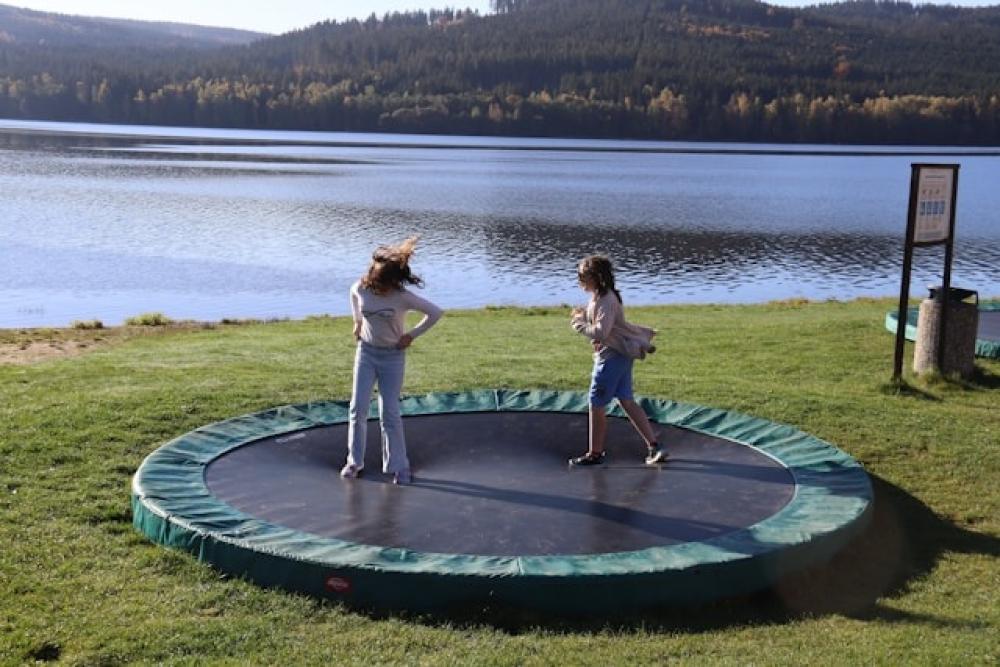
- From three and up: trampolines, combo playsets, and seesaws.
These are rough lines that shift with the child. An active two-year-old may pass a cautious three-year-old. What the child actually does matters more than the calendar.
3. Measure your space before you choose
Space usually decides the purchase, not budget.
- A balcony or room corner: a rocker, a small playhouse, a table and chairs.
- A small yard: a single slide, a hanging swing, a sand and water table.
- A garden or rest house: a trampoline, a combo playset, a large playhouse.
Always count the movement space around the toy, not the toy alone. A swing needs clearance in front and behind, and a slide needs a free exit at its base.
4. What you find in large kids toys at Baby Story
- Trampolines and bouncers for high energy.
- Slides for a toddler's first taste of daring.
- Swings for calm, repetitive motion.
- Playhouses for imaginative and role play.
- Tables and chairs for quiet sessions and sand and water play.
- Rocking horses and rockers for the youngest ages.
5. The brands we trust
We stock Step2, Fisher-Price, Dolu, Plum, Little Tikes, and Intex. The reason is consistent: thick plastic that survives Saudi sun for years, and structures that stay steady under a child who jumps rather than sits.
A large toy gets bought once every few years, so the gap between one material and another shows in the second year, not the first week.
6. What parents ask us before their first large toy
Do they work indoors? Many do — rockers, small playhouses, and tables. Trampolines and combo playsets belong outside.
Is assembly needed? Some arrive ready, some take half an hour with basic tools, and the largest need a second pair of hands.
What about the heat? October through April is outdoor season across most of the Kingdom. In summer the fun moves indoors or to the hours before sunset, and our outdoor active play covers both cases.
7. What families ask once the toy is home
Do they work indoors? Many do — rockers, small playhouses, and tables. Trampolines and combo playsets belong outside.
Is assembly needed? Some arrive ready, some take half an hour with basic tools, and the largest need a second pair of hands.
What about the heat? October through April is outdoor season across most of the Kingdom, and in summer the fun moves indoors or to the hours before sunset.
8. Three common mistakes we help you avoid
- Buying the biggest, assuming it is best. A toy that intimidates a child stays unused.
- Skipping the entry measurement. Many families discover after delivery that the frame will not pass the gate.
- Ignoring the play season. An outdoor toy bought in June waits until October to be used.
9. How we tell one family from another at Baby Story
The six families look alike to a first-time buyer. What separates them is the kind of motion they give:
- Vertical motion: trampolines and bouncers — the highest energy burn.
- Sliding motion: slides — a climb and descent in a short repeated loop.
- Pendulum motion: swings and rockers — a rhythm that calms rather than excites.
- Still motion: playhouses and tables — the body rests while hands and imagination work.
10. Where to start in practice
Start with one toy that fits your child today and your space today, then add over time. A corner that grows gradually works better than one bought all at once, because the child lives through each addition and attaches to it.
And if your child leans toward speed rather than a fixed spot, bikes and bicycles may suit better. Three branches in Jeddah are open if you would rather try before deciding.